If you are asking how much do architectural renderings cost for a real project, the useful answer is a range: still images can run from a few hundred dollars to several thousand dollars per view, while animations, panoramas, virtual tours, and interactive work are usually priced by a different unit. The final number depends less on a universal average and more on the deliverable type, the amount of modeling required, the level of detail, the review process, and the deadline.
Two quotes can look far apart even when they describe the same building, because one may include site context, model cleanup, multiple revision rounds, and a tighter schedule while another assumes clean source files and a narrower image scope. The sections that follow break down typical pricing ranges, the variables behind them, and the information to prepare before comparing architectural rendering proposals.
Table of Contents
- How much do architectural renderings cost by deliverable
- Why one rendering quote can be much higher than another
- The hidden cost variable: modeling, file cleanup, and input readiness
- How to compare architectural rendering quotes fairly
- Common budgeting mistakes that lead to surprise costs
- What to prepare before asking for a rendering quote
- FAQ
- What to Do Next?

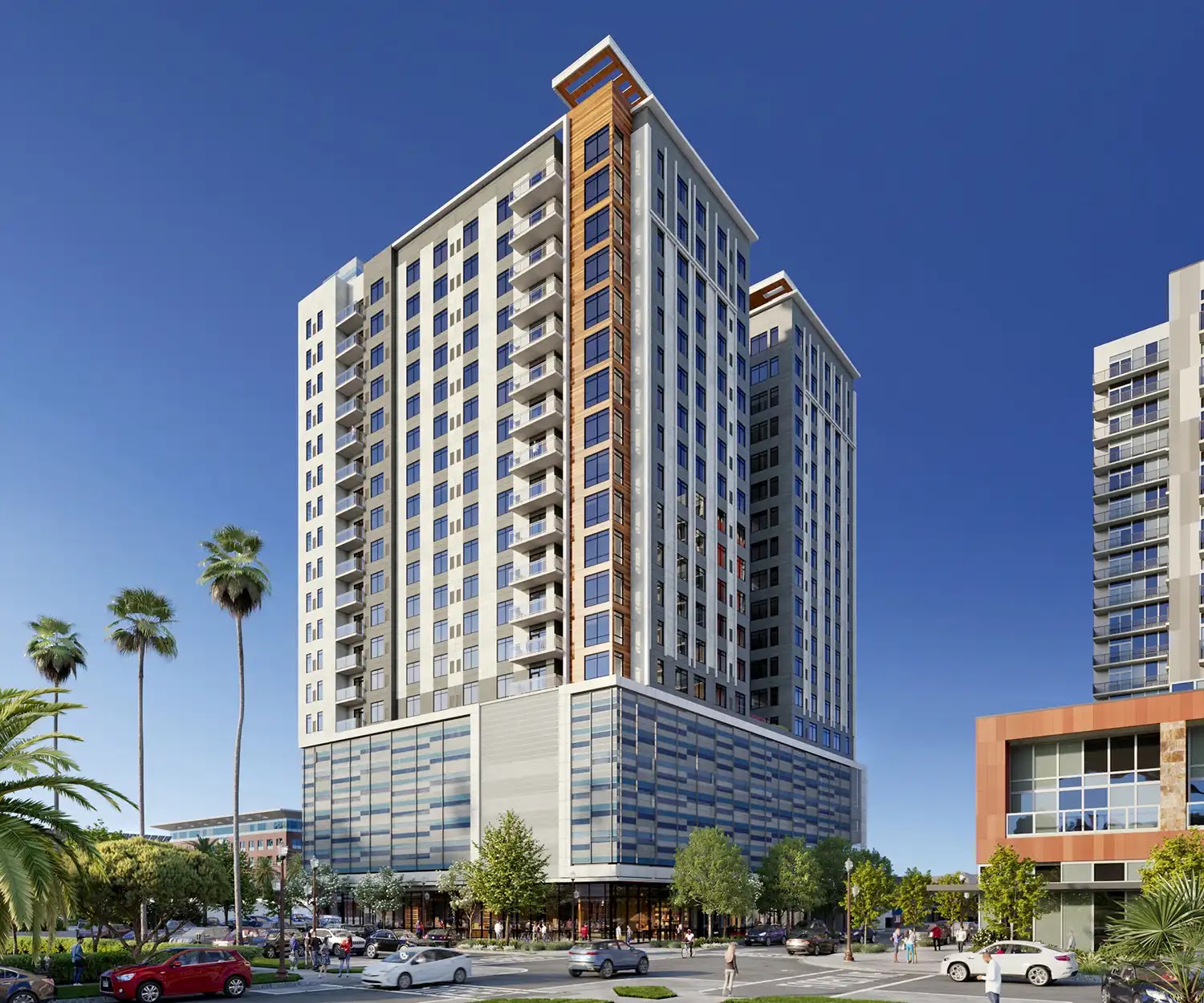
Townhome Exterior
Compare Exterior Detail and Streetscape Composition
Study the townhome massing, landscaping, and street-facing presentation in a single exterior view.
How much do architectural renderings cost by deliverable
Architectural rendering cost is easiest to understand when it is tied to the thing being produced. A single still image, a 90-second walkthrough, a 360° panorama, and an interactive sales center experience are not priced by the same logic. They require different setup, review, production time, and file delivery.
For still images, budget freelance or offshore options may start around $50 to $800 per image. Mid-tier studio stills often fall around $500 to $3,000 per image. Premium or highly complex marketing images can reach $2,000 to $8,000 or more per view. These are broad planning ranges, not fixed rates, and they vary by market, provider, and project complexity because one exterior hero image with full streetscape context is not the same scope as a simple interior concept view.
A practical still-image budgeting frame separates lower-cost concept support, mid-range studio renderings for typical design or development communication, and more involved images for public, investor, or marketing presentations. The right level depends on use, audience, and how much information must be interpreted before rendering begins.
Animations and walkthroughs are usually quoted per second or per finished minute rather than per image. A short architectural animation can still carry meaningful setup time because the team must define the camera path, transitions, lighting continuity, editing approach, and spaces covered. Finished-minute pricing can move from a few thousand dollars to tens of thousands of dollars depending on scope, scene complexity, and post-production expectations.
360° panoramas, virtual tours, and interactive or VR presentations are priced differently again. They may be quoted per panorama, per room, per scene, by area, or as a custom project. A leasing team planning three amenity interiors, two exterior views, and an optional virtual tour should not compare all of those deliverables by one per-image number. The pricing unit needs to match the deliverable.
- Still renderings: commonly priced per image or per view.
- Animation: commonly priced per second, per finished minute, or as a package.
- 360° panoramas and virtual tours: often priced per panorama, room, or scene.
- Interactive or VR work: often quoted as a custom project because the scope varies widely.
Why one rendering quote can be much higher than another
One of the most common budgeting frustrations is receiving two rendering quotes that appear to describe the same view but differ sharply in price. That difference is not always arbitrary. It may reflect provider tier, included services, revision allowance, modeling assumptions, schedule pressure, or the amount of context required.
Provider tier matters because a budget freelancer, production marketplace, mid-tier studio, and premium visualization studio may not package the same service. Lower starting rates can make sense for simple, well-briefed work. More involved studio pricing may include art direction, material treatment, coordination, and a review structure suited to larger teams. Higher price does not automatically mean a better fit, but it often signals a different scope assumption.
Exterior renderings often carry higher or wider price ranges than interiors because the image may require more than the building itself. A full exterior hero view can include site grading, landscape, neighboring buildings, street furniture, vehicles, people, facade detail, signage, lighting, and post-production. An aerial or arrival-sequence view can require even more context. By comparison, an interior room view may have a more contained environment, although furniture, finishes, lighting, and styling can still make it complex.
Final use also affects the appropriate budget. An internal massing study for an architect may not need the same level of finish as imagery for a leasing campaign, investor deck, public presentation, or major brochure package. The rendering should be scoped to the decision it needs to support. If the image must explain facade materials, lobby lighting, amenity character, or the relationship between a building and its surroundings, the quote should allow time for that level of detail.
Revision policy and turnaround can change pricing as much as image complexity. A proposal that includes two review rounds, a defined delivery window, and coordinated stakeholder comments is not the same as a lower starting price with limited revisions and rush charges. Fast turnaround may be appropriate for a deadline, but it can reduce iteration time and may increase cost.
The hidden cost variable: modeling, file cleanup, and input readiness
A major hidden variable in many rendering budgets is whether the visualization team receives a usable model or has to build, clean, or interpret one before rendering can begin. A low per-image price may assume the client is providing organized source files. If the team only has PDFs, concept sketches, incomplete CAD, or uncoordinated drawings, the work may shift from rendering into modeling and coordination.
Usable source information can include CAD drawings, BIM files, Revit exports, FBX, OBJ, DWG, or other organized 3D model files, depending on the provider’s workflow. No file type is automatically sufficient by itself. A model can be technically available but still require cleanup if layers are disorganized, materials are missing, geometry is too heavy, or design elements conflict between drawings.
Input readiness affects both cost and schedule because interpretation happens before final image production. If an architect sends only elevation PDFs for an exterior rendering, the visualization team may need to rebuild massing, facade articulation, window depth, site relationships, and material transitions. If an interior designer has not finalized finish schedules, FF&E references, or lighting intent, the quote may need to allow for additional styling and material review.
This is why rendering and modeling should be discussed separately in every estimate. Ask whether the quote assumes a clean model, partial model cleanup, or full model creation from drawings. Also ask what happens if files are incomplete or if design information changes after production starts. That simple question can prevent a per-image quote from being misunderstood.
Good pre-quote information does not need to be elaborate for every small concept image, but it should be clear enough to remove guesswork. View direction, camera intent, drawing set status, source file type, material references, and intended deliverables all help a provider price the work more accurately.
Free Guide
Plan Better Renderings Before Your Next Presentation
Use this quick guide to prepare clearer visual direction before project meetings, marketing reviews, or stakeholder presentations.
- Clarify the views your team needs before rendering starts
- Compare exterior, interior, and amenity visuals with more focus
- Prepare stronger notes for design, leasing, or marketing discussions
A practical checklist to help your team prepare.
How to compare architectural rendering quotes fairly
Comparing architectural rendering quotes fairly starts with normalizing the unit of pricing. For still images, compare per-view pricing. For animation, compare per second, per finished minute, or the full animation package. For panoramas and virtual tours, compare per scene or per panorama. For interactive work, compare the project scope and included functionality rather than trying to convert it into a still-image rate.
Once the pricing unit is clear, compare what is included. A useful rendering quote should state whether modeling, model cleanup, material setup, styling, entourage, landscape, site context, post-production, final resolution, and revision rounds are included. It should also explain what counts as a revision and what counts as a scope change. A material correction inside an agreed view is different from adding a new camera angle, a new room, or a redesigned facade.
For stable scopes, fixed per-view pricing can be easy to understand. If the team needs two exterior hero images and three amenity interior views, and the model and materials are well defined, a fixed package may be appropriate. If design is still moving, hourly or hybrid pricing can be more transparent because the rendering team may need to respond to evolving layouts, finishes, or camera requirements.
Many coordinated views may also justify package pricing. A development team that needs exterior, lobby, amenity, unit, and rooftop views for one campaign should ask whether the proposal can treat the work as a coordinated set. Shared modeling, shared materials, and a consistent review calendar can affect the pricing structure.
A lower starting rate can still be useful, especially for simple images or well-organized source files, but it may require more client-side management. The team requesting the work may need to be more precise about comments, file delivery, revision limits, and deadlines. The best quote is not always the lowest number; it is the clearest match between scope, use, assumptions, and review needs.
Common budgeting mistakes that lead to surprise costs
Many rendering budget issues begin before production starts. The first mistake is asking for pricing before deciding what needs to be produced. A request for “a few renderings” is not enough for a reliable estimate. A provider needs to know whether the package includes still images, panoramas, animation seconds, exterior hero views, interior room views, or interactive elements.
Another common mistake is assuming that a still-image quote includes building the 3D model from scratch. Some quotes include modeling, some include limited cleanup, and some assume the model is supplied. If the project only has PDFs or early concept drawings, the modeling effort should be identified as its own budget item or clearly included in the proposal.
Revision policy is another area where vague assumptions become expensive. Internal stakeholders may request material changes, added people, a different camera, new furniture, a dusk version, or an updated facade after reviewing the first draft. Some of those comments may fit within an included revision round. Others may be design changes or added scope. The distinction should be understood before the first draft is issued.
Published pricing examples can also mislead if they are treated as fixed promises. Many price lists and marketplace ranges omit assumptions about modeling, source files, image resolution, usage terms, rush delivery, and revisions. They are useful for early budgeting, but they are not a substitute for a scoped proposal.
Animation deserves special caution. It should not be estimated by multiplying still-image cost by the number of scenes. Finished duration matters, but so do camera sequencing, editing, transitions, lighting continuity, scene preparation, and post-production. Even a short animation can carry setup requirements that do not appear in a single still rendering.
- Requesting a quote before selecting view count or finished animation duration.
- Assuming modeling is included without confirming it.
- Ignoring revision limits until stakeholder comments arrive.
- Treating published ranges as fixed final costs.
- Comparing a still image, animation, panorama, and interactive scene by one headline number.
What to prepare before asking for a rendering quote
The most useful way to control an architectural rendering budget is to prepare a clear scope before requesting proposals. That does not mean every design decision must be frozen, but it does mean the provider should understand what is being priced and which assumptions are still open.
Start with the deliverable type. List whether you need still images, exterior hero views, interior room views, a walkthrough animation, 360° panoramas, virtual tour scenes, or an interactive presentation. Then define the quantity: number of views, room types, camera angles, panoramas, scenes, or finished animation seconds. If some items are optional, separate them so the provider can price a base scope and alternates.
Next, organize source information. Share what files are available and whether the model is clean enough to render from. That might include CAD, BIM, FBX, OBJ, DWG, Revit model exports, drawing PDFs, finish schedules, furniture references, material selections, landscape drawings, site photography, or marked-up camera views. If something is incomplete, say so.
State the intended use, resolution, and deadline. An image for internal design review may have different requirements from a public presentation board, leasing brochure, investor deck, website hero image, or large-format print. Resolution, aspect ratio, crop, and delivery format can all affect production decisions.
Finally, decide how comments will be reviewed. A single consolidated markup from the project manager, architect, interior designer, ownership group, or leasing team is usually easier to manage than separate conflicting notes. Confirm who can approve changes, how many review rounds are expected, and what types of late design updates may affect the budget.
- Deliverable type: still, animation, panorama, virtual tour, or interactive.
- Quantity: views, scenes, room types, or finished seconds.
- Source files: CAD, BIM, FBX, OBJ, DWG, PDFs, or partial model information.
- Design references: materials, finishes, FF&E, lighting intent, site and landscape information.
- Use and delivery: audience, resolution, format, and deadline.
- Review process: consolidated comments, revision rounds, and approval responsibility.
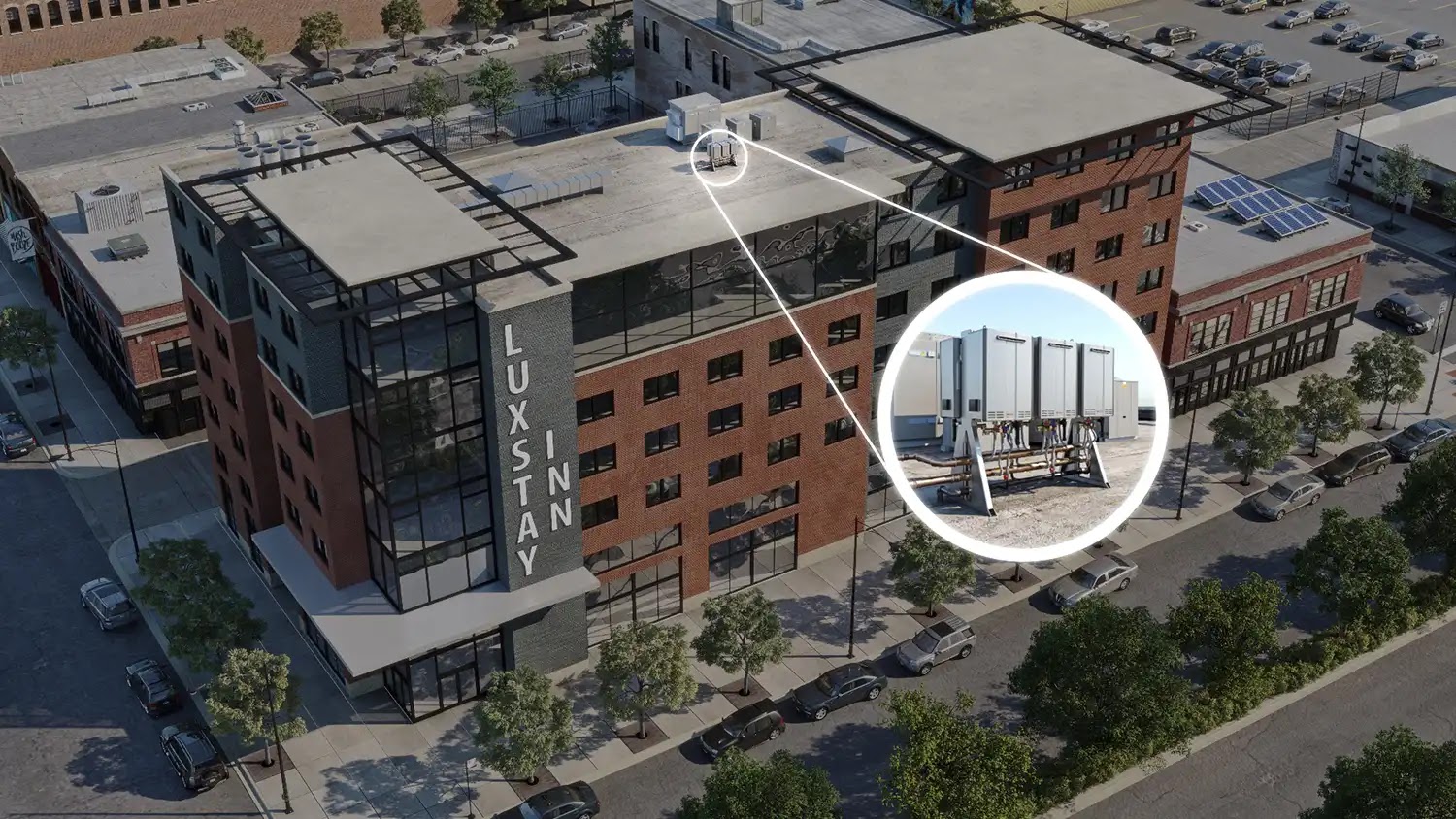
Aerial View
Assess Rooftop Features and Exterior Massing
Study the rooftop amenities and overall building form from a clear aerial perspective.
FAQ
How much does an exterior architectural rendering usually cost compared with an interior rendering?
Exterior renderings often cost more or vary more widely because they may require site context, landscaping, surrounding buildings, aerial viewpoints, facade detail, vehicles, people, and post-production. Interior renderings can still be complex when furniture, finishes, lighting, and styling are detailed. The actual quote depends on scope, final use, source files, and revision expectations.
Does architectural rendering cost usually include 3D modeling?
Sometimes it does, and sometimes it does not. Many per-image quotes assume that a usable 3D model is supplied. If the visualization team has to build the model from PDFs, clean incomplete CAD or BIM files, or interpret concept information, modeling or file cleanup may be a separate fee or a clearly identified part of the proposal.
Why are two architectural rendering quotes so far apart for what seems like the same image?
The same image description can hide very different assumptions. One quote may include modeling, site context, styling, entourage, post-production, more revision rounds, and a faster schedule. Another may assume clean source files, fewer revisions, and a simpler level of detail. Compare scope and inclusions before comparing the headline price.
How is architectural animation priced compared with still renderings?
Architectural animation is usually priced per second, per finished minute, or as a package, not by multiplying the cost of still images. Camera movement, scene sequencing, editing, transitions, lighting continuity, and post-production all affect the budget structure.
What should I send before requesting an architectural rendering quote?
Send the deliverable type, number of views or finished animation seconds, available source files, camera intent, material references, intended use, required resolution, deadline, and review process. It also helps to clarify who will consolidate comments and approve revisions.
Free Guide
Plan Better Renderings Before Your Next Presentation
Use this quick guide to prepare clearer visual direction before project meetings, marketing reviews, or stakeholder presentations.
Prefer to talk it through? Email us at info@rmdesignstudio.com or call 630.540.1222.
What to Do Next?
Before requesting prices, turn the rendering need into a short scope. List each deliverable by type, such as still image, exterior hero view, amenity interior, animation, panorama, or interactive scene. Add the number of views, rooms, scenes, or finished seconds needed, and separate required items from optional alternates.
Then separate rendering from modeling in the budget conversation. Note which source files are available, whether the model is ready to use, and which drawings, material references, finish schedules, site information, or camera markups still need to be gathered. When comparing proposals, normalize the unit, inclusions, revision policy, schedule, and assumptions.